Essential Skills You Can Develop Through a 3-Month Fine Art Course Delhi NCR

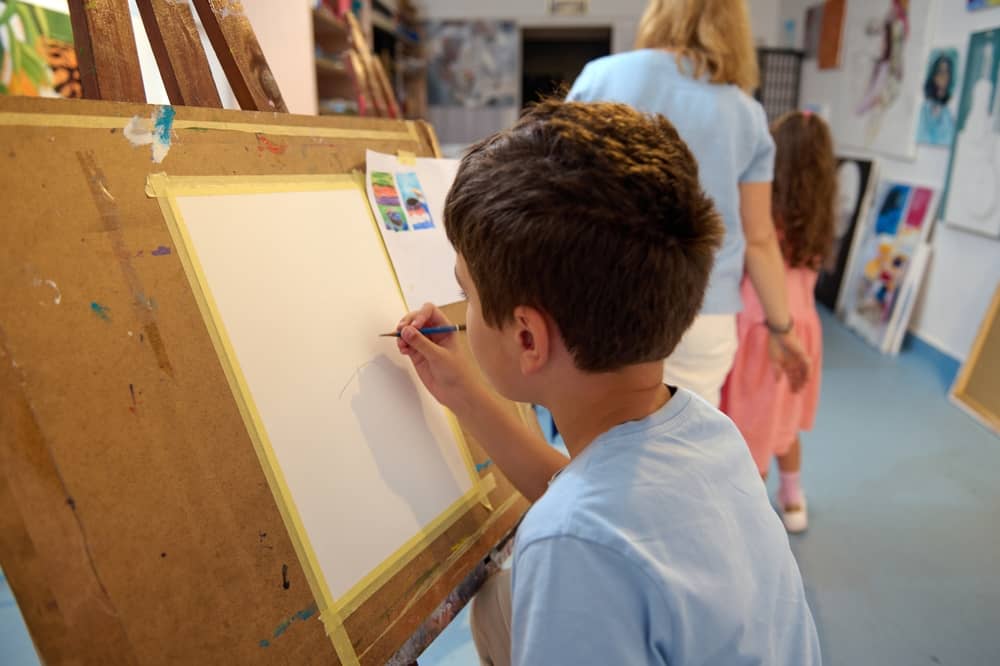
Many people assume artistic talent is something you’re born with. In reality, art is a skill that can be learned, practiced, and refined over time. Whether you’re a student, hobbyist, or aspiring artist, structured training can help you build creative abilities that extend beyond the canvas.
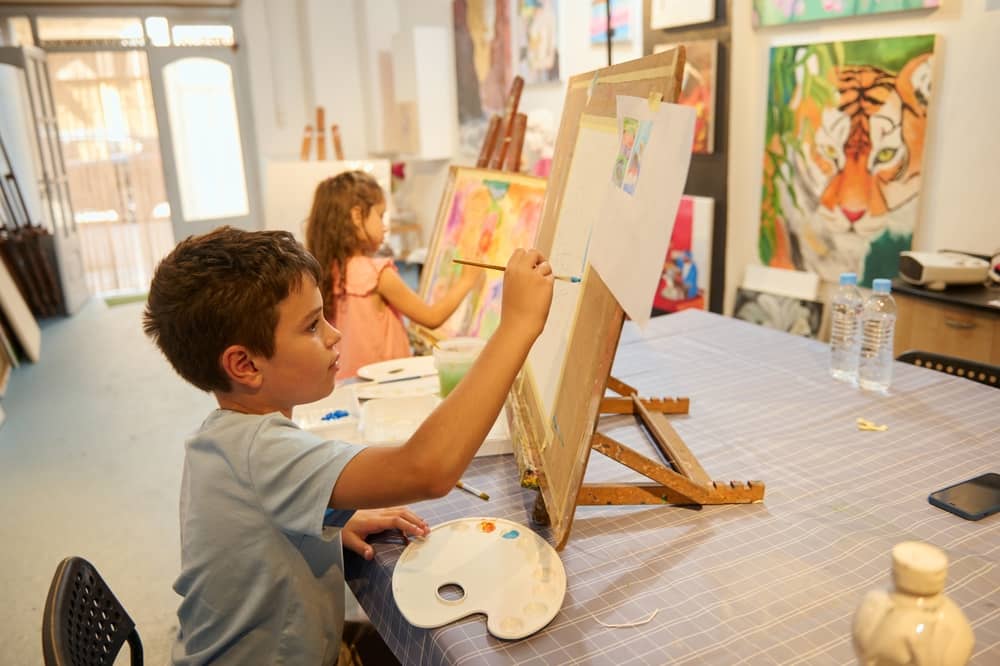
A 3-Month Fine Art Course Delhi NCR offers a practical introduction to artistic techniques while helping learners develop valuable personal and creative skills. Through beginner-focused instruction and guided practice, students gain confidence and establish a strong foundation for future artistic growth.
Why Beginner-Friendly Art Learning Matters
Starting an art journey can feel overwhelming, especially for those with little or no prior experience. Many beginners worry about making mistakes or not having enough talent, which can prevent them from taking the first step.
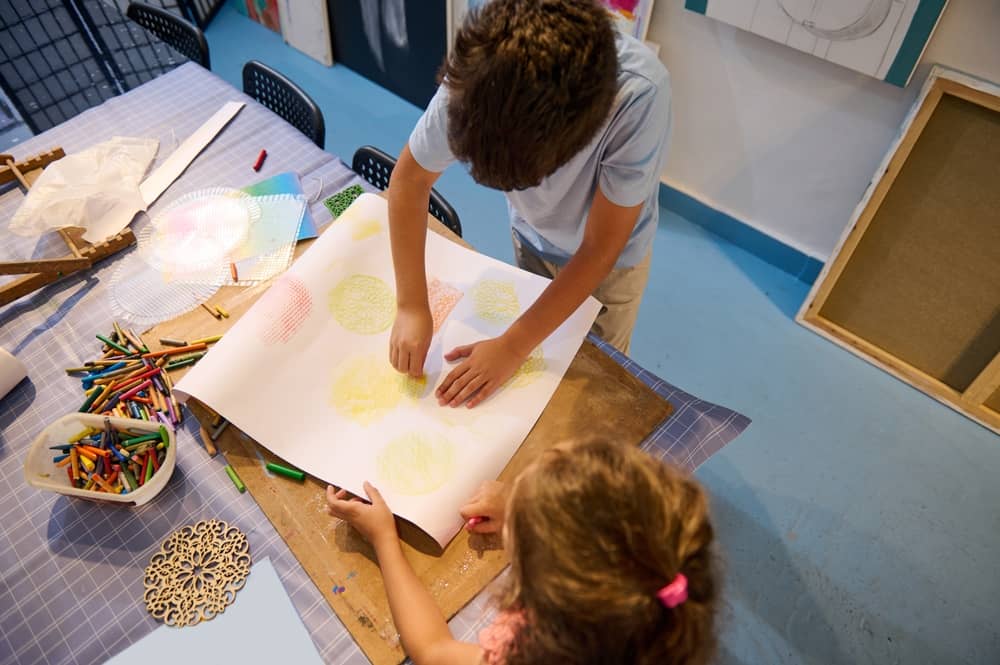
A well-structured course introduces essential concepts gradually, making it easier to understand techniques and build skills over time. Rather than focusing on creating perfect artwork, beginner programs encourage practice, observation, and creative exploration, helping students develop confidence while enjoying the learning process.
Core Skills Developed Through Fine Art Training
1. Observation and Visual Awareness
One of the first lessons in art education is learning how to truly observe. Students begin noticing details in shapes, proportions, lighting, textures, and perspective that often go unnoticed in everyday life.
This improved visual awareness enhances artistic accuracy and strengthens analytical thinking.
2. Drawing Fundamentals
Every strong artist starts with the basics. Learning drawing techniques helps students understand:
- Line control
- Shading techniques
- Composition
- Perspective
- Proportions
These skills form the foundation for more advanced artistic practices.
3. Creative Problem-Solving
Art often involves making decisions about composition, color choices, and visual storytelling. As students experiment with different approaches, they develop problem-solving abilities that encourage flexible thinking and innovation.
These skills can be beneficial in both creative and professional environments.
4. Patience and Discipline
Creating art requires focus and repetition. Progress happens through consistent practice rather than instant results.
Students learn how to:
- Stay committed to long-term improvement
- Accept constructive feedback
- Work through creative challenges
- Develop healthy practice habits
These qualities support growth in many areas of life beyond art.
How Art Training Builds Confidence
Many beginners hesitate to start because they believe they lack talent. However, structured instruction helps students see measurable improvement over time.
Each completed sketch, painting, or project reinforces confidence and demonstrates that artistic ability can be developed through effort and guidance. This is one of the key benefits of beginner-friendly art learning, as students gradually overcome self-doubt while strengthening their creative abilities.
As learners gain technical skills, they become more comfortable expressing ideas creatively and sharing their work with others.
Practical Benefits Beyond Artistic Growth
Fine art education contributes to personal development in several ways:
| Skill | Real-World Benefit |
|---|---|
| Observation | Improved attention to detail |
| Creativity | Innovative thinking |
| Focus | Better concentration |
| Patience | Increased perseverance |
| Visual Communication | Stronger presentation skills |
These transferable skills can benefit students, professionals, and hobbyists alike.
Choosing the Right Fine Art Program
When selecting an art course, beginners should look for programs that provide:
- Structured lessons
- Individual guidance
- Practical exercises
- Exposure to multiple art techniques
- Supportive learning environments
A beginner-focused curriculum helps learners progress comfortably while building confidence and technical ability.
Conclusion
Art education is about much more than creating attractive drawings or paintings. It helps individuals develop observation skills, creativity, discipline, confidence, and visual communication abilities that can be valuable throughout life.
For those looking to begin their artistic journey, a structured learning environment can make the process more approachable and rewarding. The Institute of Fine Arts offers professionally guided programs designed to help beginners build strong artistic foundations and grow their creative potential with confidence. To learn more, genuinely contact the team at +91 93100 10815 or +91 93107 65172.
Frequently Asked Questions
Is a 3-month art course enough for beginners?
Yes. A structured three-month program can provide a strong introduction to essential drawing, sketching, composition, and creative techniques while helping students establish consistent artistic habits.